Let’s be honest-owning a pet is one of life’s greatest joys, but it also comes with fur, dander, and the occasional mysterious smell you can’t quite locate. I’ve spent years working with air purifiers and have seen firsthand how much of a difference the right device can make in a pet-friendly home. Whether you’re dealing with cat litter dust, dog hair that never stops appearing, or allergic reactions that flare up whenever your furry friend snuggles too close, the right pet air purifier can transform your space.
This isn’t just about cleaner air-it’s about comfort, health, and creating a sanctuary where you and your pets can breathe freely. So, let’s dive deep into what makes the best air purifier for dogs and cats, what features to look for, and how to make the right choice for your lifestyle.
Understanding the Unique Air Challenges in Pet Homes
Before jumping into models and specs, it’s important to understand what you’re actually trying to fight. Pets bring more than just joy into our homes-they also introduce invisible particles and odors that build up over time.
Pet Hair and Dander: The Invisible Invaders
You probably see fur everywhere, but the real culprit is often pet dander-tiny flakes of skin that float in the air and cling to surfaces. Dander is lightweight and spreads easily, which makes it one of the hardest allergens to manage. If you’re an allergy sufferer, you already know how much of a difference clean air can make.
A HEPA air purifier for pets is non-negotiable here. True HEPA filters trap particles as small as 0.3 microns, meaning they catch most airborne pet allergens before they reach your nose. And trust me, once you experience the difference, you’ll wonder how you ever lived without one.
Odors and the “Pet Smell” Problem
Then there’s the smell. Even the cleanest home can develop that subtle “dog” or “cat” odor-especially if you live in a smaller space or have multiple pets. This is where an activated carbon air purifier for pets shines. These filters absorb and neutralize odors, leaving the air fresher and more pleasant.
If your cat’s litter box has taken over your sense of smell, you might want an air purifier for a cat litter room. Choose one designed to handle high concentrations of ammonia and organic compounds-bonus points if it has a “pet mode” that automatically boosts fan speed when odors increase.
The Hidden Dust and Micro-Particles
Besides dander and odor, pets add extra dust to your environment. When they run, scratch, or shake off, they stir up fine debris that floats through the air. Over time, that buildup affects not only your air quality but also your HVAC system. That’s why I recommend choosing an air purifier for large pet rooms with strong airflow and multi-stage filtration.
Key Features Every Pet Owner Should Look For
After testing countless machines and hearing feedback from pet owners, I’ve narrowed down what really matters when choosing the right air purifier pet owners guide.
Filtration Power and Type
Not all purifiers are created equal. A HEPA air purifier for pet dander is your first line of defense, but it should be paired with an activated carbon filter to tackle smells. Some modern models add UV-C or plasma ionization layers for an extra level of cleaning.
Here’s what I suggest looking for:
- True HEPA filter (not “HEPA-like”)
- Activated carbon layer for odor absorption
- Optional pre-filter for pet hair removal
That last point matters more than you think. The pre-filter catches fur and larger debris, protecting the main filter and extending its lifespan, a must for anyone living with fluffy companions.
Noise Level and Smart Features
You don’t want your quiet air purifier for pets to sound like an airplane engine. A good model runs silently on low settings but can ramp up when needed. Many modern purifiers come with smart sensors that detect air quality changes and adjust automatically.
Personally, I’m a fan of devices with smart air purifier pet mode. These systems read particle density and odor levels, adjusting the fan speed without you lifting a finger. It’s like having a mini air quality technician in your living room.
Energy Efficiency and Room Size
It’s easy to overlook, but choosing the right capacity matters. A purifier too small for your space will struggle to keep up. Always check the Clean Air Delivery Rate (CADR) and recommended square footage. For larger homes or multiple pets, consider an air purifier for multi-pet home setup – sometimes two smaller units perform better than one giant one.
And don’t forget energy consumption. If you’re running your purifier 24/7 (as most pet owners should), look for an Energy Star-certified model to keep your bills under control.
Making the Most of Your Air Purifier
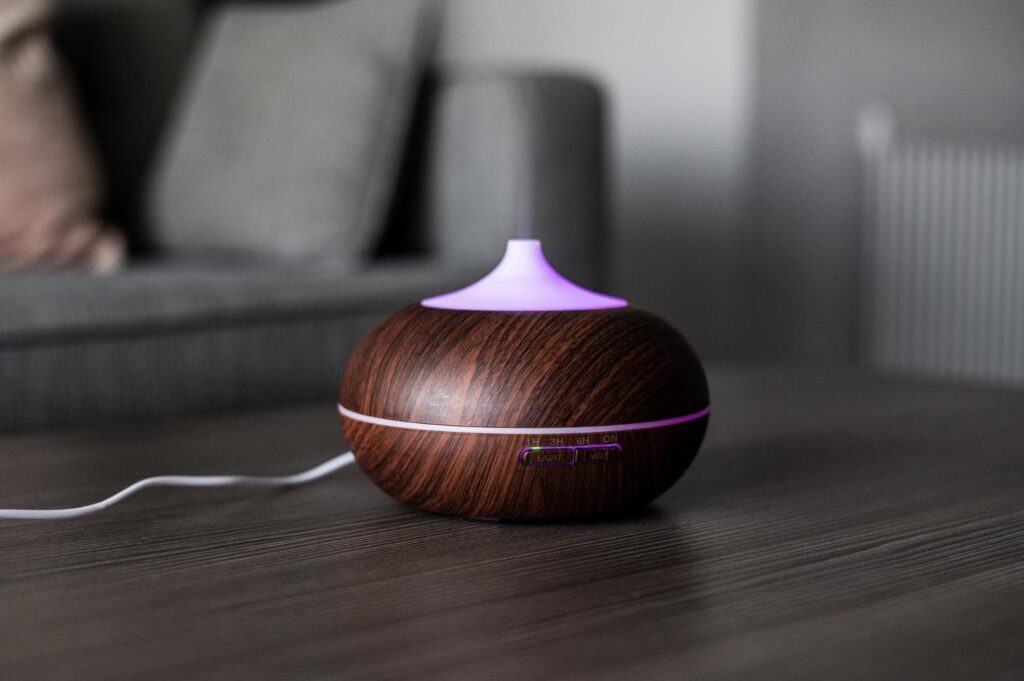
Once you’ve chosen the right model, the real magic happens when you use it properly. Even the best air purifier for dogs and cats can’t do its job if you place it wrong or neglect maintenance.
Placement and Airflow
Where you put your purifier matters. Avoid corners or behind furniture; instead, position it where air can circulate freely. If your cat’s litter box or your dog’s favorite bed is in one area, place the purifier nearby for targeted performance.
Here’s a quick checklist for placement success:
- Keep it away from walls and curtains (at least 12–18 inches)
- Don’t block the vents or sensors
- Close windows while the purifier runs to prevent unfiltered air from rushing in
Maintenance: Keep It Running Like New
Think of your purifier like a pet – it needs care and attention to stay healthy. Dirty filters don’t just stop cleaning effectively; they can release trapped particles back into the air. Follow the manufacturer’s recommendations, but generally:
- Replace HEPA filters every 6–12 months
- Swap carbon filters every 3–6 months (sooner if odors linger)
- Wash or vacuum pre-filters monthly for maximum air purifier pet hair removal
A well-maintained purifier doesn’t just last longer – it performs better, saving you money in the long run.
Bonus Tips from Experience
After years of consulting pet owners on air quality, here are my favorite small but mighty tricks:
- Brush and bathe your pets regularly to reduce dander.
- Vacuum with a HEPA-equipped vacuum cleaner to complement your purifier.
- If you have several pets, consider adding a second pet air purifier in the busiest area.
- Track air quality with a monitor – it’s fascinating to see how much cleaner your air gets within hours.
Creating a Truly Pet-Friendly Home
Clean air is one of the most overlooked aspects of a pet friendly home, yet it affects everything – from sleep quality to allergy relief. A reliable air purifier for pet allergy can mean fewer sneezes, less dusting, and a more welcoming space for guests.
And if you’re wondering how to choose an air purifier for pets, remember this: go for one that fits your home’s size, uses HEPA and carbon filters, and matches your lifestyle in terms of maintenance and noise. Once it’s running, you’ll notice fresher air, fewer odors, and maybe even happier pets.
So don’t think of an air purifier as a luxury – it’s a quiet, hardworking partner in keeping your home healthy and your pets (and you) breathing easy.